Medicare Cataract Surgery Costs in 2026
 Medicare cataract surgery costs are a major concern for many seniors facing vision problems. According to HealthinAging.org, approximately 20% of adults age 65 and older have a cataract. By age 75, that number rises to roughly 50%. Because many of these individuals rely on Medicare, understanding coverage and out-of-pocket expenses is essential.
The good news is that Medicare generally helps pay for cataract surgery when it’s medically necessary. However, coverage doesn’t always mean you’ll pay nothing. Many beneficiaries still face deductibles, coinsurance, and additional expenses for upgraded lenses. Here’s what Medicare covers in 2026 and how you may be able to lower your out-of-pocket costs.
What Impacts Medicare Cataract Surgery Costs?
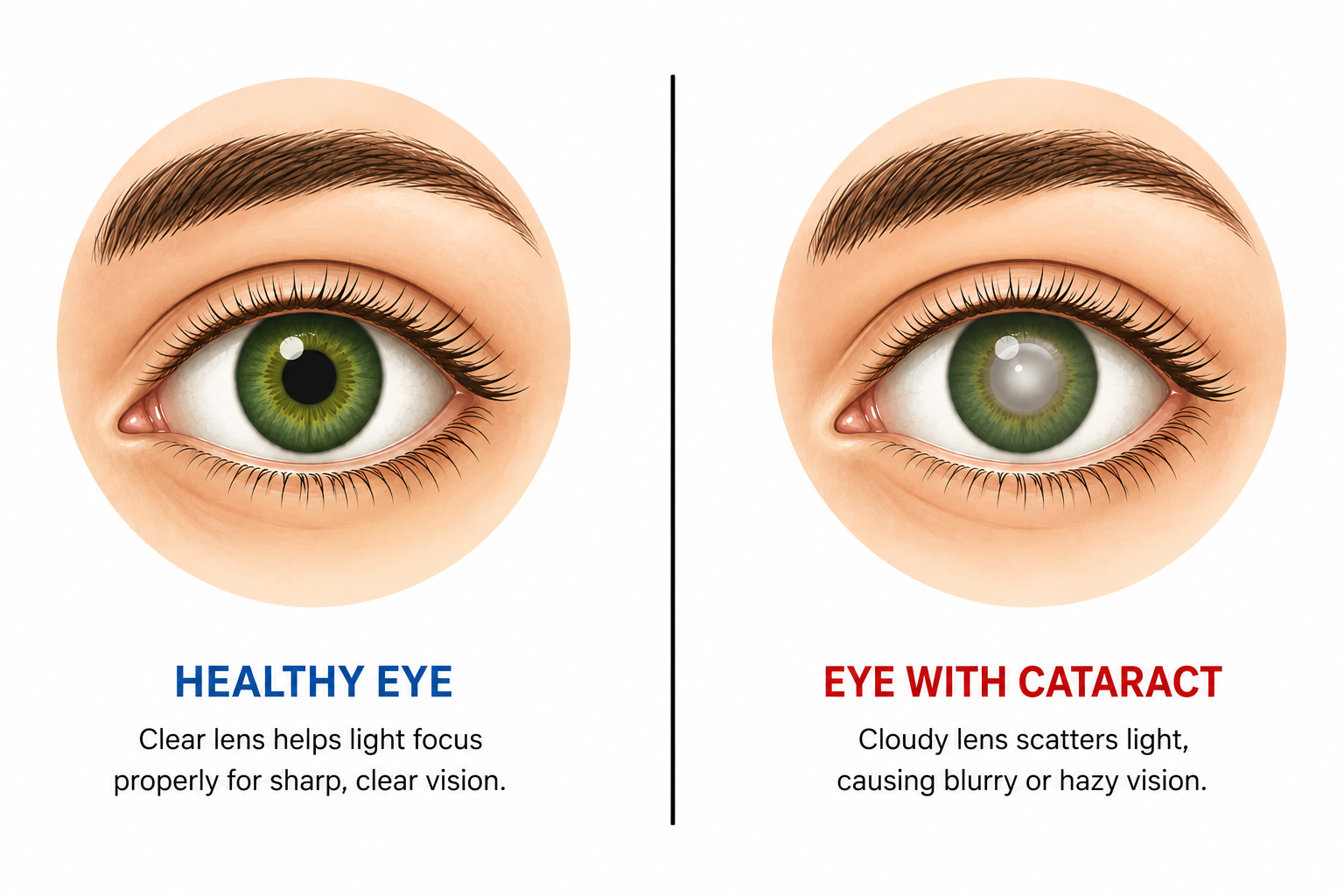
A cataract occurs when the eye’s natural lens becomes cloudy. As a result, light cannot pass through the lens as easily. Age is the leading cause of cataracts. However, long-term sun exposure and protein changes inside the eye can also contribute to the condition.
Common symptoms include:
- Blurry vision
- Cloudy or foggy sight
- Difficulty driving at night
- Halos around lights
- Increased glare
- Fading colors
Many cataracts develop slowly. Over time, they can make everyday activities more difficult. When vision problems begin affecting daily life, an eye doctor may recommend cataract surgery.

Cataract Surgery Is Extremely Common
Millions of Americans undergo cataract surgery every year. According to Whitney Stidom, Vice President of Consumer Enablement at eHealth, up to 4 million cataract surgeries take place annually in the United States. Many of those patients are Medicare beneficiaries. That’s why understanding your coverage before surgery is so important. Knowing what Medicare pays for can help you avoid unexpected costs later.

Medicare Cataract Surgery Costs: What’s Covered?
In most situations, Medicare Part B covers medically necessary cataract surgery.
Coverage typically includes:
- Cataract removal
- Placement of a standard intraocular lens (IOL)
- Certain physician services
- Related outpatient care
However, beneficiaries still share part of the cost. After meeting the Medicare Part B deductible, most people with Original Medicare pay 20% of approved charges. According to Stidom, Medicare beneficiaries can expect to pay between $635 and $880 per eye in 2026. That estimate includes coinsurance and the $283 Part B deductible. If both eyes require surgery, costs can increase quickly. Understanding Medicare cataract surgery costs before scheduling treatment can help you budget appropriately.

How Medicare Advantage Can Lower Medicare Cataract Surgery Costs
Many Medicare Advantage plans have different cost-sharing rules than Original Medicare. In some cases, beneficiaries pay a flat copayment instead of coinsurance. According to Stidom, the average cataract surgery copay under Medicare Advantage is about $350 per eye. Some Medicare Supplement plans may reduce costs even further. These plans can help cover deductibles, coinsurance, and other out-of-pocket expenses.
Comparing plans is one of the best ways to reduce Medicare cataract surgery costs. Before scheduling surgery, review your benefits carefully because coverage varies by plan. If you’re evaluating your options, be sure to review our guide to Medicare Advantage vs. Medigap to understand which coverage may offer lower out-of-pocket costs.
Medicare Cataract Surgery Costs for Patients With Astigmatism
This is where many people get surprised. Medicare generally covers cataract removal. However, it does not usually cover premium lens upgrades that correct astigmatism. For example, toric lenses can help reduce astigmatism after surgery. Medicare typically does not pay for these lenses.
As a result, beneficiaries often pay the additional cost themselves. Patients who choose toric lenses may spend at least $1,000 more per eye. In many cases, costs can be even higher. Patients who choose standard lenses may still need glasses after surgery to correct astigmatism.

How Lens Choices Affect Medicare Cataract Surgery Costs
Medicare generally covers a standard monofocal intraocular lens. This lens replaces the cloudy natural lens removed during surgery. While monofocal lenses improve vision, they may not eliminate the need for glasses.
Premium lens options often provide additional vision correction. However, Medicare generally considers these upgrades elective. That means patients usually pay the difference. Before surgery, ask your doctor to explain every lens option and the costs associated with each choice.

Medicare Cataract Surgery Costs and Post-Surgery Glasses
Normally, Original Medicare does not cover routine eyeglasses or contact lenses. However, cataract surgery creates an important exception.
After receiving an implanted intraocular lens, Medicare Part B generally covers:
- One pair of eyeglasses with standard frames and lenses, or
- One set of contact lenses
This benefit also applies to many Medicare Advantage members and people enrolled in Chronic Special Needs Plans (C-SNPs). Keep in mind that upgraded frames or specialty lenses may cost extra. Medicare beneficiaries can review current coverage details directly through Medicare.gov.

How a Local Broker Can Help
Many seniors focus only on the surgery itself. However, choosing the right Medicare coverage can be just as important. A local Medicare broker can help you compare plans available in your area. They can also explain differences between Original Medicare, Medicare Advantage, Medicare Supplement plans, and C-SNPs.
In addition, a broker may help you identify plans with lower Medicare cataract surgery costs. Local brokers often understand provider networks as well. As a result, they can help determine whether your preferred eye surgeon participates in a plan before you enroll.
This guidance can be especially helpful if you have diabetes or another chronic condition that may qualify you for specialized Medicare coverage. Medicare plans change from year to year. A local broker can help you review your options and choose coverage that fits your healthcare needs and budget. While no broker can guarantee savings, the right guidance may help you avoid unnecessary costs and lower your overall Medicare cataract surgery costs.

The Bottom Line
Cataracts affect millions of Medicare beneficiaries every year. Fortunately, Medicare generally covers medically necessary cataract surgery. Still, many patients face deductibles, coinsurance, and costs for premium lens upgrades. Understanding Medicare cataract surgery costs before scheduling treatment can help you avoid surprises. It can also help you make smarter financial decisions.
Compare facilities. Verify your providers accept Medicare. Review your coverage options carefully. Finally, consider speaking with a local Medicare broker for personalized guidance. A little planning today could save you hundreds of dollars tomorrow while helping protect your vision for years to come. It also allows you to spend more quality time with your loved ones.

Get 1-on-1 AssistanceClick Here


Learn More About Medicare
You may also find these Medicare guides helpful:
Follow us on:






IMPORTANT NOTE: This information is for educational purposes only and is not a complete description of benefits. This scenario is a hypothetical example based on common real-life situations and does not represent any specific individual. Benefits, premiums, and plan availability may vary by location and plan provider.. For more information, visit Medicare.gov or speak with a licensed insurance professionals.