Medicare Annual Notice of Change 2026: Don’t Ignore This Letter
 The Medicare Annual Notice of Change is one of the most important documents Medicare beneficiaries receive each year. Yet many people mistake it for marketing mail and toss it aside without reading it. That could be a costly mistake in 2026. If you’re enrolled in a Medicare Advantage plan or a Medicare Part D prescription drug plan, your insurer must send you an Annual Notice of Change (ANOC) by September 30. This document outlines any changes to your coverage that will take effect on January 1, 2026.
This year, the notice may be more important than ever. Medicare beneficiaries could see changes to costs, prescription drug coverage, provider networks, and supplemental benefits. Before Medicare Open Enrollment begins on October 15, it’s worth taking a few minutes to review your ANOC and determine whether your current plan still meets your needs.
What Is the Medicare Annual Notice of Change?
The Medicare Annual Notice of Change is a document sent to members enrolled in Medicare Advantage (Part C) and Medicare Part D prescription drug plans by their carriers. The notice explains how your plan will change for the upcoming year. Insurance companies are required to provide this information before Medicare Open Enrollment begins.
The ANOC typically includes updates involving:
- Monthly premiums
- Deductibles
- Copayments and coinsurance
- Maximum out-of-pocket costs
- Prescription drug formularies
- Provider networks
- Pharmacy networks
- Covered services
- Supplemental benefits
- Prior authorization requirements
Many beneficiaries overlook these notices because they often resemble promotional materials. However, the document serves as a roadmap for how your coverage will work in the coming year.

Why the Medicare Annual Notice of Change Matters in 2026
Medicare plans change every year. However, experts expect 2026 to bring several significant adjustments. Beneficiaries should always carefully review their coverage because substantial changes are expected across the industry.
Several factors could impact Medicare plans in 2026, including:
- Higher prescription drug costs
- Changes to drug formularies
- Reduced supplemental benefits
- Network changes
- Updated authorization requirements
These changes could affect both your access to care and your healthcare expenses.

Higher Out-of-Pocket Costs Could Affect Many Beneficiaries
One area that deserves close attention is prescription drug spending. Industry estimates suggest Medicare Part D premiums may increase by approximately 6% in 2026. Deductibles could rise by roughly 4.2%. In addition, the annual cap on out-of-pocket prescription drug spending is expected to increase from $2,000 to $2,100. While those increases may not seem dramatic, they can add up throughout the year, especially for people who take multiple medications. Reviewing your Medicare Annual Notice of Change can help you identify whether your plan’s costs are increasing and whether another option may provide better value.

How the Medicare Annual Notice of Change Reveals Benefit Reductions
Many Medicare Advantage plans include benefits beyond Original Medicare.
These supplemental benefits may include:
- Dental coverage
- Vision services
- Hearing benefits
- Fitness memberships
- Transportation assistance
- Over-the-counter allowances
However, some supplemental benefits may look different in 2026. New federal guidelines prohibit certain Special Supplemental Benefits for the Chronically Ill (SSBCI), including benefits tied to alcohol, tobacco, non-healthy foods, and life insurance. Some insurers have also reduced supplemental benefits in recent years as healthcare costs have increased. Your Medicare Annual Notice of Change will explain whether any benefits are being modified or removed.

Medicare Annual Notice of Change and Prescription Drug Coverage
Even if your premium remains relatively stable, your prescription coverage could change. Many beneficiaries assume their medications will remain covered from one year to the next. Unfortunately, that isn’t always the case. Changes related to the Inflation Reduction Act and negotiated drug pricing may lead insurers to modify their formularies. A formulary is simply the list of medications your plan covers.
When reviewing your ANOC, verify that:
- Your medications remain covered
- Your drugs haven’t moved to a higher-cost tier
- Prior authorization requirements remain manageable
- Your preferred pharmacy still participates
Even small formulary changes can lead to significant cost increases.

Network Changes Can Impact Your Doctors and Hospitals
Provider networks frequently change from year to year. Insurance companies regularly renegotiate contracts with doctors, specialists, hospitals, and pharmacies. As a result, healthcare providers who are covered today may not remain covered next year.
Review your Medicare Annual Notice of Change carefully to confirm:
- Your primary care physician remains in-network
- Your specialists are still covered
- Your preferred pharmacy participates
- Nearby hospitals remain accessible
Failing to check network changes could result in higher healthcare costs.

How to Review Your Medicare Annual Notice of Change
When your ANOC arrives, don’t simply skim it. Instead, compare your current coverage with next year’s benefits. Pay close attention to the following areas🚨:
🚨 Monthly Premiums
- Has your premium increased? A lower premium may sound attractive, but it can sometimes mean higher deductibles or copays.
🚨 Deductibles and Maximum Out-of-Pocket Limits
- Review any changes carefully. These costs can significantly affect your healthcare budget.
🚨 Prescription Drug Coverage
- Confirm that your medications remain covered and affordable.
🚨 Provider Networks
- Verify that your doctors and specialists continue participating in the plan.
🚨 Supplemental Benefits
- Review any changes involving dental, vision, hearing, transportation, fitness, or over-the-counter benefits.
What Your Medicare Annual Notice of Change Can Reveal
Many beneficiaries automatically renew their current coverage each year. However, that may not always be the best strategy. Beneficiaries should compare all available plans in their ZIP code rather than assuming their current plan remains the best option.
Each year:
- Some plans leave the market
- New plans become available
- Costs change
- Benefits change
- Provider networks change
What worked well in 2025 may not be the best choice in 2026. If you’re evaluating your options, review your Medicare Advantage vs. Medigap comparison resources to better understand your coverage choices.

Where to Compare Medicare Plans
If you decide to explore other options, Medicare.gov offers tools that allow beneficiaries to compare plans available in their area.
You can compare:
- Monthly premiums
- Prescription drug coverage
- Provider networks
- Star ratings
- Estimated annual costs
Reviewing multiple plans can help you determine whether another option better fits your healthcare needs and budget. Additional Medicare counseling resources are available through SHIP (State Health Insurance Assistance Programs), which provide free Medicare guidance.

How a Local Medicare Broker Can Help
Many Medicare beneficiaries find plan comparisons overwhelming. A local Medicare broker can help simplify the process.
Because brokers work with multiple plans, they can help explain differences involving:
- Monthly costs
- Provider networks
- Drug coverage
- Supplemental benefits
- Out-of-pocket expenses
A broker may also help determine whether your physicians participate in a plan and whether your prescriptions remain covered. Many beneficiaries find this guidance especially valuable after reviewing their Medicare Annual Notice of Change. While a broker cannot guarantee savings, working with a trusted local Medicare professional may help you avoid costly coverage mistakes.

Use Your Medicare Annual Notice of Change Before Open Enrollment
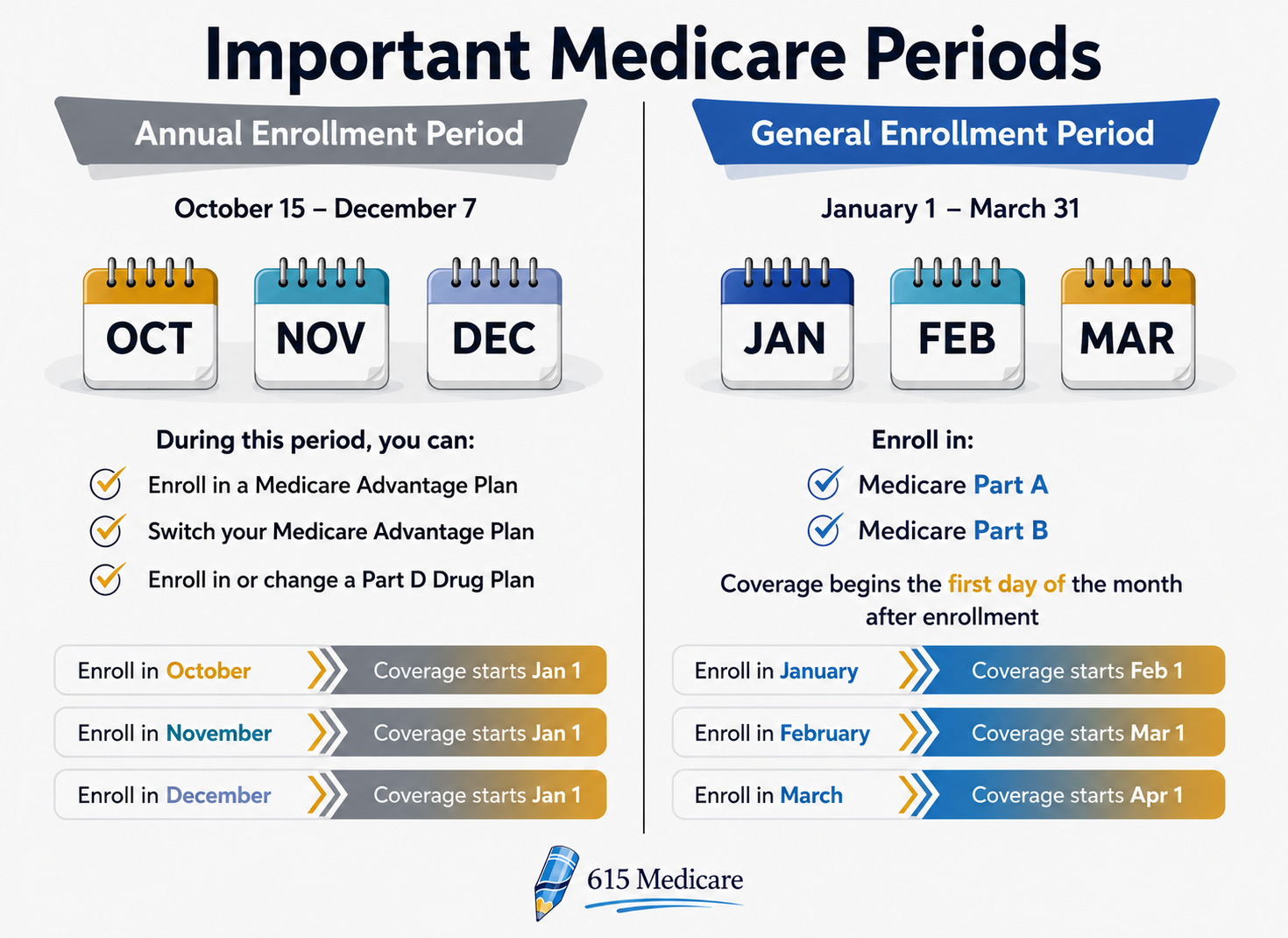
After reviewing your ANOC, you’ll have time to make changes during Medicare Open Enrollment. The Annual Enrollment Period runs from October 15 through December 7. Coverage changes generally take effect on January 1. Individuals already enrolled in Medicare Advantage also have access to the Medicare Advantage Open Enrollment Period from January 1 through March 31. During that period, beneficiaries can switch Medicare Advantage plans or return to Original Medicare. These enrollment windows pass quickly, so it’s important to begin reviewing your options as soon as your ANOC arrives.
The Bottom Line
The Medicare Annual Notice of Change is one of the most important documents you’ll receive all year. For 2026, beneficiaries could see higher costs, revised prescription drug coverage, network changes, and adjustments to supplemental benefits. Reviewing your ANOC carefully can help you avoid surprises and make informed decisions about your healthcare coverage. Don’t ignore the notice when it arrives. Read it carefully, compare your options, and take advantage of Open Enrollment if a better plan is available. A few minutes of review today could save you money and frustration throughout 2026. That way you can spend more of your time enjoying your life.



Learn More About Medicare
You may also find these Medicare guides helpful:
Follow us on:






IMPORTANT NOTE: This information is for educational purposes only and is not a complete description of benefits. This scenario is a hypothetical example based on common real-life situations and does not represent any specific individual. Benefits, premiums, and plan availability may vary by location and plan provider.. For more information, visit Medicare.gov or speak with a licensed insurance professionals.