Medicare Supplement Plans: What They Are and How They Work
 When people first start looking into Medicare Supplement plans, one question comes up almost every time: do I actually need one? It’s a fair question, and most people don’t get a clear answer right away. Medicare covers a lot, but it doesn’t cover everything. That’s where Medicare Supplement plans, also called Medigap, come into the picture. If you’ve been trying to understand how these plans work and whether they make sense for your situation, you’re not alone. Once you see how they fit with Original Medicare, everything starts to feel a lot more straightforward.
What Medicare Supplement Plans Actually Do?
Medicare Supplement plans work alongside Original Medicare. They don’t replace your coverage. Instead, they help pay for certain out-of-pocket costs that Medicare leaves behind. These costs often include deductibles, coinsurance, and copayments. Rather than adding extra services, these plans focus on lowering what you pay when you use your coverage. That’s the main reason people choose them. They want fewer surprises when medical bills come in.

How They Work With Medicare?
Original Medicare includes Part A for hospital care and Part B for medical services. When you receive care, Medicare pays its share first. After that, your supplement plan may cover some or all of the remaining approved costs, depending on the plan. For example, if Medicare pays 80% of a service, your plan may cover the remaining 20%. This setup helps make costs more predictable. You still pay a monthly premium, but you reduce unexpected expenses later.

What Medicare Supplement Plans May Cover
These plans follow a standardized structure. Each plan type offers the same core benefits, no matter which company you choose. In general, coverage may include Part A coinsurance, hospital costs, Part B coinsurance, skilled nursing facility coinsurance, and hospice care coinsurance. Because of this, the main difference between companies usually comes down to price and service, not coverage.
 What These Plans Do Not Cover
These plans don’t cover everything, and this is where people sometimes get confused. Most do not include prescription drug coverage. They also don’t cover dental, vision, hearing aids, or long-term care. If you need prescription drug coverage, you would typically enroll in a separate Part D plan. Understanding this upfront helps avoid surprises later.

Why Some People Choose Medicare Supplement Plans?
Many people choose this type of coverage because they want flexibility. With Original Medicare, you can see any provider nationwide who accepts Medicare. These plans don’t limit you to a network, which gives you more freedom. Another reason is cost predictability. These plans reduce unexpected bills, which helps people feel more comfortable using their coverage. For some, that peace of mind makes a big difference.
 Why Others Go a Different Direction?
These plans aren’t the right fit for everyone. The main reason comes down to cost. They usually have higher monthly premiums compared to other options. Some people prefer to save on monthly costs and handle expenses as they come up instead. It really depends on how you prefer to manage your healthcare costs.

When You Can Enroll in Medicare Supplement Plans?
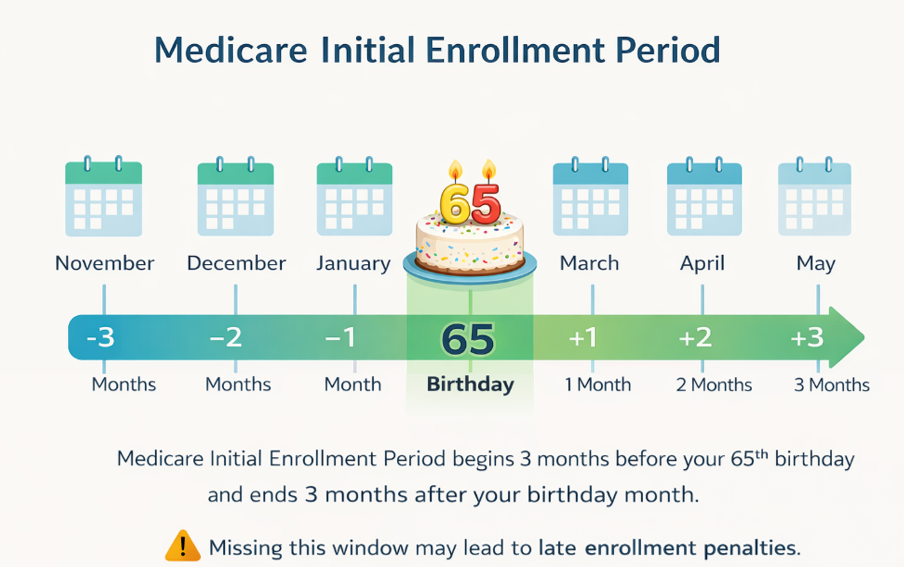
Timing plays an important role here. Your best opportunity to enroll comes during your Medigap Open Enrollment Period. This six-month window starts when you are both 65 or older and enrolled in Part B. During this time, insurance companies generally cannot deny coverage or charge more due to health conditions. If you apply later, you may have to go through medical underwriting.
How These Plans Compare to Medicare Advantage?
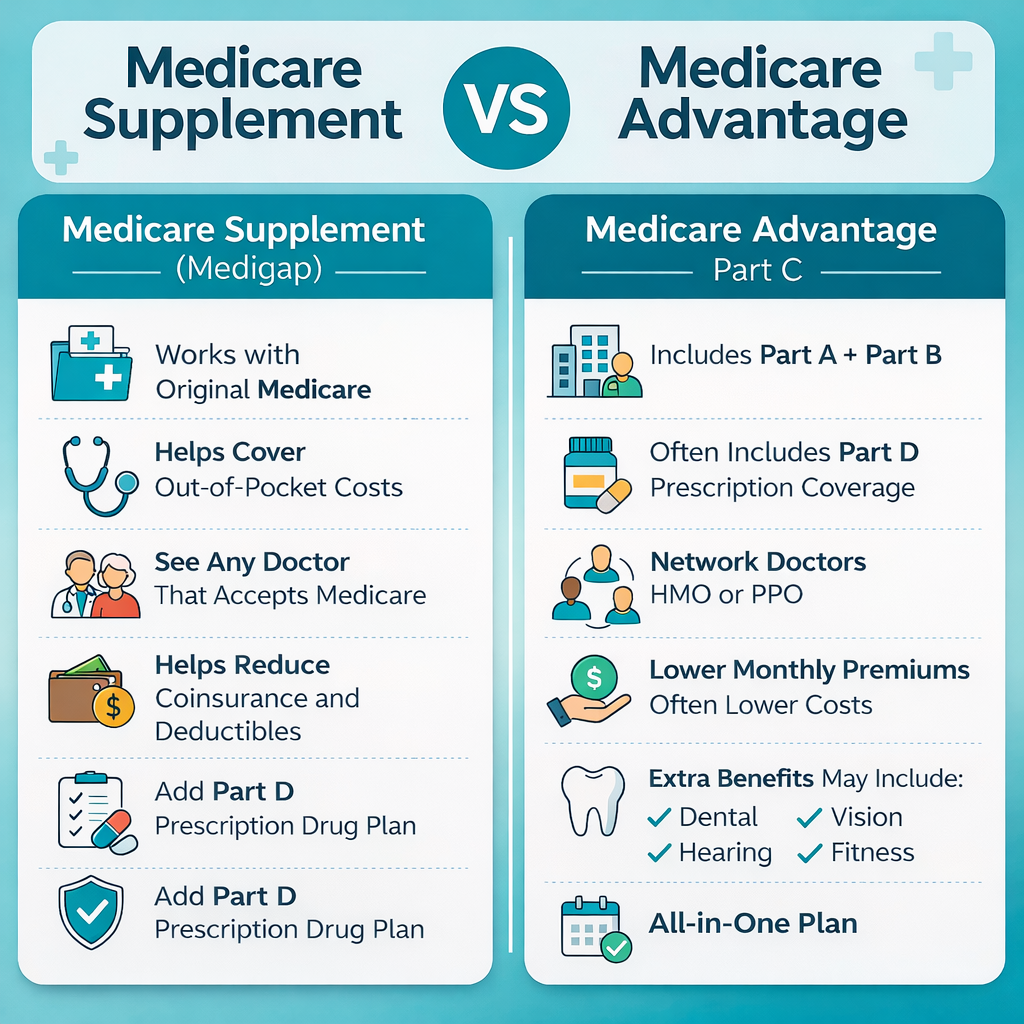
People often compare these plans to Medicare Advantage plans, but they work very differently. Supplement plans work with Original Medicare and focus on reducing out-of-pocket costs. Medicare Advantage plans replace Original Medicare and often include additional benefits. Neither option is automatically better. Each works best for different situations.
 How to Decide What Fits You Best?
When you look at all your options, it can feel like a lot. A simple way to think about it is to focus on what matters most to you. Do you want predictable costs and flexibility? Or do you prefer lower monthly premiums with some variability in costs? Answering those questions usually helps narrow things down.

Talking Through Your Options Can Help
At some point, most people want to talk things through with someone who understands how this all works. Not to feel pressured, but to get clarity. A local Medicare broker can walk through available plans, explain how they work in your area, and help you compare your options in a simple way. That conversation alone often makes the decision much easier.
 Final Thoughts
Once you understand how these plans work, everything becomes much easier to navigate. They focus on reducing out-of-pocket costs and creating more predictable healthcare expenses. For some people, that approach fits perfectly. For others, a different option may work better. The key is understanding your options so you can choose what fits your situation.

Get 1-on-1 AssistanceClick Here


Learn More About Medicare
You may also find these Medicare guides helpful:
Follow us on:






IMPORTANT NOTE: This information is for educational purposes only and is not a complete description of benefits. Benefits, premiums, and plan availability may vary by location and plan provider. For more information, visit Medicare.gov or speak with a licensed insurance professionals.