Medicare Prescription Drug Coverage Gaps: Diagnosis Story
 When people first enroll in Medicare, they don’t always think about Medicare prescription drug coverage gaps. Most people focus on hospital and doctor coverage first, assuming everything important is already in place. That’s exactly how Susan approached it.
A few weeks after turning 65, she sat at her kitchen table in her Nashville home, going through the Medicare paperwork she had been putting off. She wasn’t overwhelmed. Instead, she just wanted to make a simple decision and move on. Original Medicare felt straightforward, and at the time, that simplicity was exactly what she needed. Because she wasn’t taking any regular medications, prescription drug coverage didn’t seem necessary. From her perspective, it felt like something she could always add later. So, she enrolled in Original Medicare and skipped Part D.
When Medicare Prescription Drug Coverage Gaps Don’t Feel Important
For a while, nothing about that decision stood out. Life stayed normal. Susan enjoyed retirement, spent time with her family, and kept up with her usual routine. Doctor visits were occasional and manageable, and nothing required ongoing medication. Since she wasn’t using prescriptions, Medicare prescription drug coverage gaps didn’t feel relevant. Everything seemed to be working exactly the way she expected. When everything feels stable, there’s no real reason to question what you have or look any deeper into the details.

The Diagnosis That Changed Everything
Over time, things began to shift. It started with fatigue that didn’t quite go away. At first, it was easy to brush off. However, as weeks passed, the symptoms became harder to ignore. Small concerns slowly turned into something that felt worth checking. Eventually, she scheduled an appointment. That visit led to more tests. Then more appointments. Each step added a little more uncertainty until the answer finally came. Susan was diagnosed with cancer.
Moments like that change everything. Priorities shift instantly. Instead of thinking about long-term planning, the focus becomes immediate action and treatment. Her doctors outlined a plan, and part of that plan included medications that would be ongoing and essential. That’s when Medicare prescription drug coverage gaps became real.

When Prescription Drug Coverage Becomes Urgent
At the pharmacy, Susan expected a normal process. She handed over her information, assuming Medicare would help cover the medication she needed. Instead, the pharmacist explained the cost, and it was far higher than she expected. At first, she thought there had to be a mistake. She asked them to check again, hoping something had been processed incorrectly. The answer didn’t change. Original Medicare does not cover most outpatient prescription drugs. Because she had not enrolled in Part D, she did not have prescription drug coverage. In that moment, something that once felt optional became urgent.

The Cost of Medicare Prescription Drug Coverage Gaps
This wasn’t a situation where she could wait. The medication was part of her treatment plan, and delaying it wasn’t something she was willing to risk. So she made the decision to move forward and pay for it. The cost wasn’t just high. It was ongoing.
Cancer treatments often involve specialty medications, and those prescriptions can cost hundreds or even thousands of dollars depending on the situation. Without coverage, those expenses begin to add up quickly. This is one of the most common Medicare prescription drug coverage gaps people don’t fully understand at the beginning. It’s not just about whether you take medications today. It’s about what happens if your situation changes tomorrow. 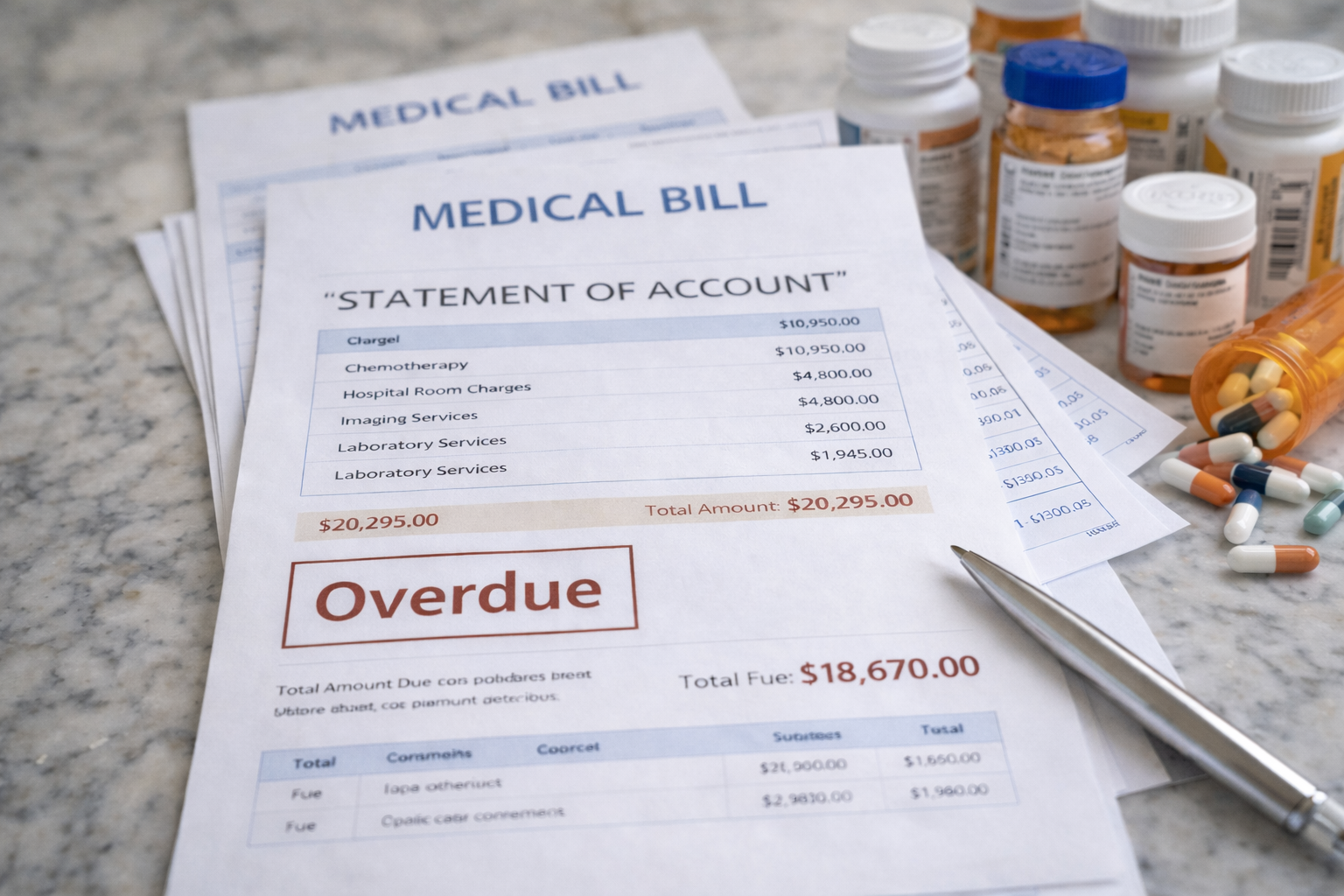
Understanding Enrollment Timing and Penalties
As Susan started looking into her options, she realized timing mattered more than she expected. Medicare doesn’t allow changes at any time. Instead, there are specific enrollment periods that determine when you can add or adjust coverage. Missing those windows can delay access to benefits. In addition, she learned about the Part D late enrollment penalty.
This penalty may apply if someone goes without creditable prescription drug coverage after becoming eligible. Once it applies, it can continue for as long as Part D coverage is in place. Now she wasn’t just navigating a diagnosis. She was also trying to understand coverage rules, timing restrictions, and long-term costs all at once.

Why Medicare Prescription Drug Coverage Gaps Matter
Situations like this are more common than people realize. Health can change quickly. Someone who hasn’t needed medications for years can suddenly find themselves relying on them. When that happens, Medicare prescription drug coverage gaps become more than just a concept.
They become something you experience firsthand. It’s important to say this clearly. Susan didn’t make a bad decision. She made a decision based on what her life looked like at the time. She wasn’t trying to avoid coverage. She simply didn’t think she needed it yet. That’s how most people approach Medicare. The challenge is that these decisions don’t always show their impact right away.

Looking at Medicare Coverage Options More Closely
Because of situations like this, many people take a closer look at how prescription drug coverage works when reviewing their Medicare options. Part D plans are designed to help cover medications, but they are not all the same. Formularies, pricing tiers, pharmacy networks, and coverage rules can all affect what you pay.
That’s why it’s not just about having coverage. It’s about how that coverage works for your specific situation. Understanding those details ahead of time can help reduce unexpected costs later.

Talking Through Medicare Options Locally
For many people, it helps to talk things through with someone who understands how Medicare works in their area. Not to be sold something. Not to feel pressured. Just to understand how everything works. A local broker can often explain how plans work with nearby doctors, pharmacies, and hospitals. That kind of conversation tends to make things feel more practical and easier to navigate. Because at the end of the day, this isn’t just about choosing a plan. It’s about understanding how your coverage works when you actually need it.

Final Thoughts on Medicare Prescription Drug Coverage Gaps
Medicare provides important coverage, and for many people, it works well. At the same time, Medicare prescription drug coverage gaps are part of how the system is designed. Prescription drug coverage is one of the most common gaps people overlook, especially if they are not taking medications when they first enroll. Understanding how Part D works and when it matters can help you avoid unexpected costs later. Not because something will happen. But because it might.

Get 1-on-1 AssistanceClick Here

Learn More About Medicare
You may also find these Medicare guides helpful:
Follow us on:






IMPORTANT NOTE: This information is for educational purposes only and is not a complete description of benefits. This scenario is a hypothetical example based on common real-life situations and does not represent any specific individual. Benefits, premiums, and plan availability may vary by location and plan provider.. For more information, visit Medicare.gov or speak with a licensed insurance professionals.