Medicare Scams to Watch Out For (And How to Protect Yourself)
 When people think about Medicare scams, it’s usually not the first thing that comes to mind. Most people are focused on getting the right coverage, choosing their doctors, and making sure everything lines up for when they need it.
However, Medicare scams are more common than people expect, and they don’t always look obvious at first. In fact, they often feel like someone trying to help… until they’re not.
Why Medicare Scams Happen More Than People Expect
If you’ve ever wondered why Medicare scams are so common, it really comes down to timing and confusion. A lot of people become eligible for Medicare around the same time. Because of that, there’s usually a window where people are asking questions, comparing plans, and trying to understand how everything works. From the outside, that looks like opportunity. Unfortunately, not everyone who reaches out during that time has good intentions. Some may try to collect personal information, create urgency, or present things in a way that feels official but isn’t. Most of the time, they rely on one simple thing:
Catching someone in a moment where they’re unsure.

What Makes Medicare Scams Hard to Spot
Most Medicare scams don’t come across as aggressive or obvious. Instead, they usually sound calm, helpful, and even professional. For example, you might get a call that sounds official or a message that makes it seem like you’re missing something important. There’s just enough truth mixed in to make it believable.
As a result, people often pause and think,
“Maybe I should at least hear this out.”
And that moment is usually what they’re counting on.

Common Medicare Scams to Be Aware Of
You don’t need to memorize every scam out there. However, once you understand the patterns, it becomes much easier to recognize when something feels off.
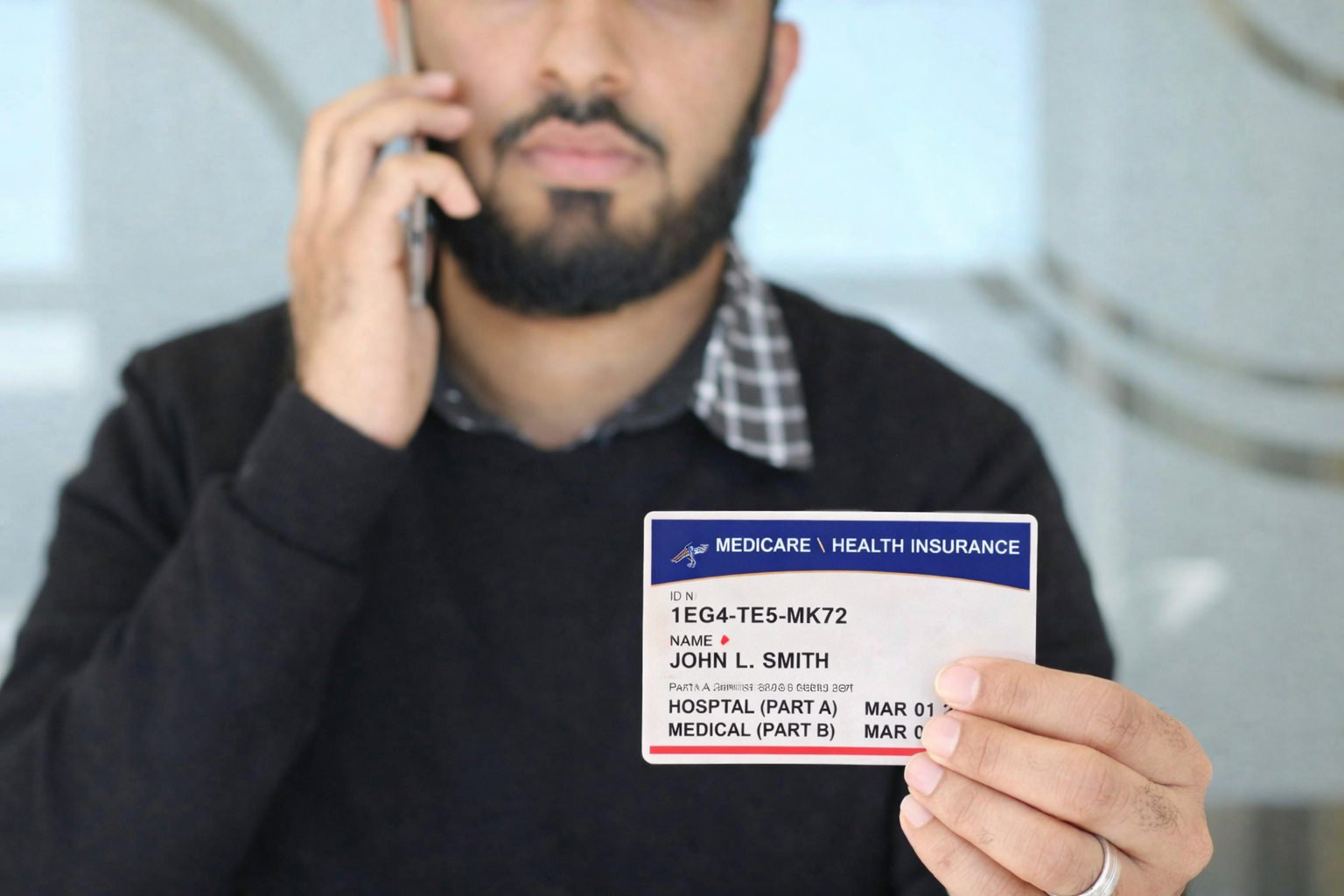
 Calls Claiming to Be “From Medicare”
One of the most common situations starts with a phone call. Someone may say they’re calling from Medicare or about your benefits. In many cases, they sound confident and professional.
They might ask for:
-
Your Medicare number
-
Your Social Security number
-
Your date of birth
However, Medicare generally does not call you unexpectedly to ask for personal information. If you didn’t start the conversation, it’s worth slowing down before sharing anything.

“New Medicare Card” Situations
Another common scenario involves being told you need a new Medicare card. Someone might say your current one is no longer valid or needs to be updated. Then, they ask for your personal information to “process” it. In most cases, Medicare does not randomly reach out this way or require payment for a new card. So if something feels rushed or unclear, it’s okay to pause and verify.
Offers That Sound Too Easy
Sometimes it doesn’t feel like a scam at all. Instead, it just feels like a really good offer.
You might hear things like:
-
“You qualify for extra benefits”
-
“We can lower your costs right away”
-
“You’ve been selected for additional coverage”
To be clear, some plans do offer additional benefits depending on your area and plan. However, when those offers come unexpectedly and with urgency, it’s worth taking a closer look.
 Pressure to Act Immediately
This is one of the biggest warning signs. If someone is pushing you to make a decision right away, that’s usually a signal to slow things down.
For example, you might hear:
-
“This has to be done today”
-
“You’ll lose benefits if you wait”
-
“This offer expires right now”
However, Medicare doesn’t typically require immediate decisions like that. In most cases, you have time to review your options.
 Requests for Payment or Financial Information
Be cautious if someone asks for payment details early in the conversation.
That could include:
-
Credit card numbers
-
Bank account information
-
Payment to “secure” a plan
While some plans do have premiums, you should clearly understand who you’re working with before sharing financial details. If something feels unclear, it’s okay to step back.
 Real-Life Medicare Scam Example
Sometimes this becomes clearer with a real-world example. Let’s say someone gets a call from a person claiming to be calling about Medicare benefits. The caller sounds professional. They mention updates and explain that they just need to confirm a few details. Nothing feels overly aggressive. In fact, it feels like a routine call. So the person shares their Medicare number, thinking it’s part of the process. Later on, they realize their information stolen. Situations like this don’t happen because someone wasn’t paying attention. Instead, they happen because everything felt normal in the moment.

Medicare Scam Warning Signs to Watch For
You don’t need to overanalyze everything. However, there are a few patterns that are worth paying attention to.
-
Unexpected contact about your Medicare coverage
-
Requests for personal information early on
-
Pressure to make a quick decision
-
Offers that feel unclear or rushed
If you notice more than one of these at the same time, it’s a good idea to slow down and take a closer look.
 How Medicare Typically Communicates
Understanding how Medicare normally communicates can clear up a lot of confusion.
In most cases, communication happens through:
-
Mail
-
Notices you requested
-
Responses to something you started
Because of this, unexpected outreach asking for personal details should always be approached carefully.
 What to Do If Something Doesn’t Feel Right
If something feels off, you don’t have to figure it out immediately.
Instead, you can pause and give yourself a moment.
You can hang up the phone.
You can take time to think.
And you can always come back to it later.
There’s no downside to slowing things down.
 Why Slowing Down Matters With Medicare Scams
Most Medicare scams rely on speed. They depend on quick decisions and limited time to think. However, Medicare decisions don’t have to happen that way. You can take your time. It’s okay to ask questions along the way. And you can always step away and come back later. That alone removes most of the pressure.

Medicare Scams During Enrollment Periods
Scam activity often increases during enrollment periods like the Annual Enrollment Period. That’s when more people are reviewing their coverage and making changes.
Because of that, it helps to be a little more aware of:
-
Who you’re speaking with
-
What information you’re sharing
-
Whether you’re being rushed
Just knowing this ahead of time can help you stay one step ahead.

Final Thought on Medicare Scams
Most Medicare scams rely on confusion, urgency, and lack of clear information. Because of this, they can be difficult to recognize at first. However, once you understand how Medicare works and what to expect, those tactics become much easier to spot. At that point, you’re not reacting anymore. You’re making decisions with confidence.

Why Local Support Can Make a Difference
For a lot of people, things start to feel easier when they have someone they know they can reach out to. Instead of guessing who’s calling or whether something is legitimate, you have a consistent point of contact. For individuals in Middle Tennessee, 615-Medicare is a local agency that helps people review Medicare options and understand how different plans work. That might include answering questions, explaining coverage, or helping you make sense of what you’re seeing. There’s no obligation to enroll. Just a chance to get clear, straightforward information from someone local.

Get 1-on-1 AssistanceClick Here


Learn More About Medicare
You may also find these Medicare guides helpful:
Follow us on:






IMPORTANT NOTE: This information is for educational purposes only and is not a complete description of benefits. Benefits, premiums, and plan availability may vary by location and plan provider. For more information, visit Medicare.gov or speak with a licensed insurance professionals.